
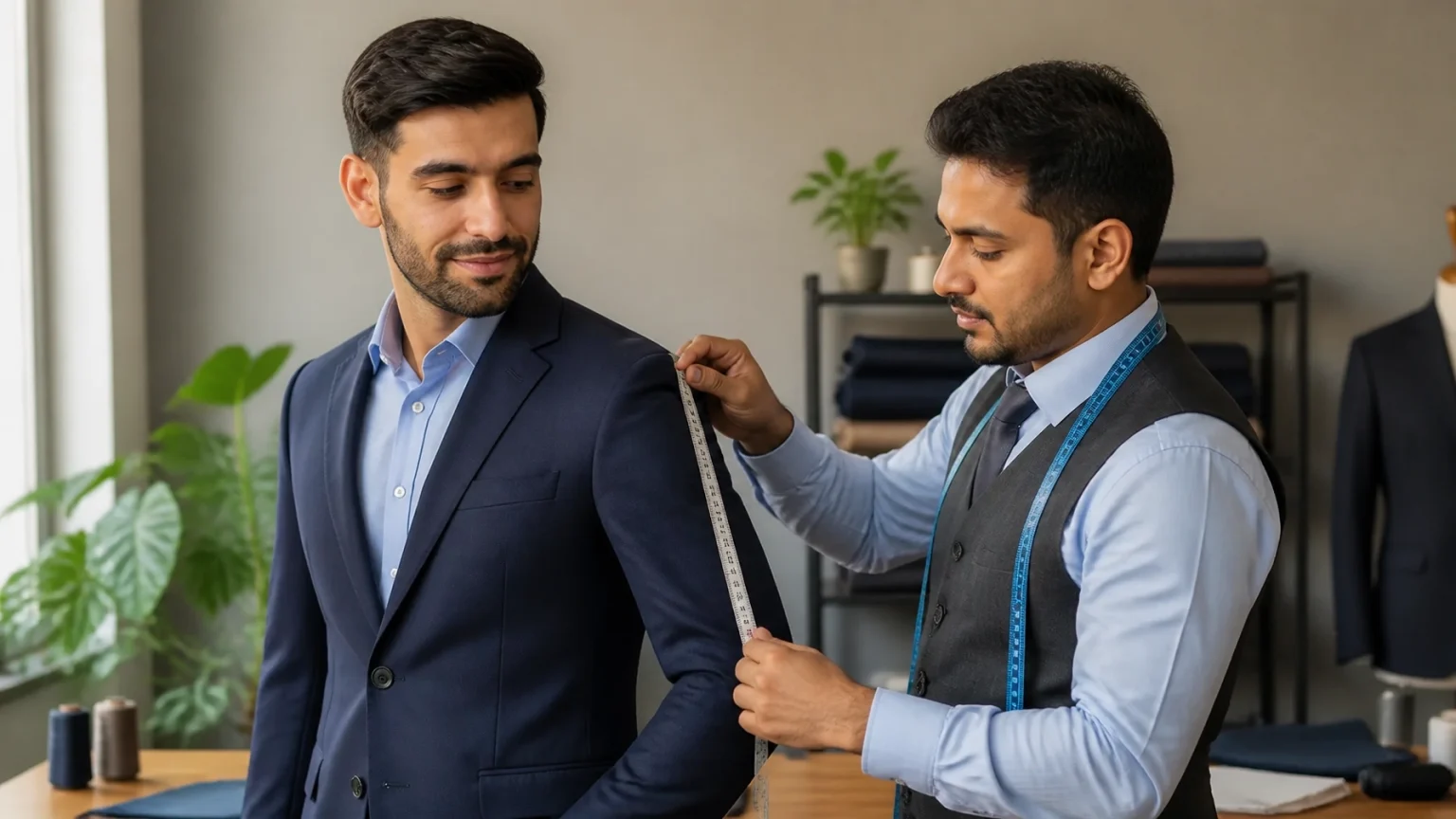
A crowded wardrobe does not always need a shopping spree. Sometimes, the perfect solution is already hanging in your closet, just waiting for a more precise fit.
Alterations and tailoring can transform a good garment into a dependable favourite. A hem can make trousers look polished. A shaped waist can bring a blazer back into rotation. The right sleeve length can make a coat feel custom-made.
But not every item deserves the investment. Tailoring works best when the garment has quality fabric, sound construction, and a fit problem that can be corrected. If the fabric is worn out or the style no longer suits your life, alterations may only delay the inevitable.
Use this guide to decide what to save, what to skip, and how to find the perfect fit with precision and ease.
Start With The Tailor-or-Skip Test
Before booking an appointment, assess the garment with five simple questions:
-
Do You Like It?
If you do not feel confident wearing it, a better fit may not solve the deeper problem. -
Is The Fabric In Good Condition?
Look for sturdy fabric, intact seams, working fasteners, and minimal pilling, fading, or thinning. -
Is The Problem About Fit?
Tailoring is ideal for adjustments such as shortening, tapering, taking in, or reshaping. It is less useful for severe damage. -
Will You Wear It At Least 10 More Times?
The more frequently you wear a piece, the greater the value of a well-executed alteration. -
Does It Suit Your Current Lifestyle?
A beautiful garment that does not work for your schedule, climate, or daily routine may remain unworn.
If the answers are mostly yes, place it in your Tailor pile. If not, consider repairing, reselling, donating, recycling, or letting it go.

1. Blazers And Structured Jackets
A well-made blazer is one of the strongest candidates for alterations. It can elevate jeans, sharpen a work wardrobe, and create a polished layer for dinners or special occasions.
Because blazers have defined seams and structure, a skilled tailor can often make noticeable improvements without changing the garment’s character.
Alterations Worth Considering
- Shortening or lengthening the sleeves
- Taking in the waist or side seams
- Adjusting the back for a cleaner fit
- Refining the jacket length
- Replacing worn buttons or repairing the lining
Pay particular attention to the shoulders. Shoulder alterations are more complex and may be costly, so ask a professional to assess the construction before committing.
A classic blazer in navy, black, charcoal, camel, or another versatile shade is especially worthwhile. If you can wear it across work, travel, and social occasions, tailoring can turn it into a true wardrobe anchor.
2. Quality Coats And Outerwear
A quality coat is often expensive to replace and useful for several seasons. If the fabric is warm, the construction is strong, and the silhouette remains timeless, alterations can extend its life significantly.
Outerwear also benefits from a precise fit. Sleeves that are too long can overwhelm your proportions, while an overly loose waist can make a structured coat look unfinished.
Focus On These Adjustments
- Hemming the coat to a more practical length
- Shortening or lengthening sleeves
- Taking in the waist
- Adjusting the side seams
- Repairing buttons, zippers, or lining
Before altering a winter coat, consider the shoes and layers you typically wear with it. A coat should allow enough room for a sweater or jacket underneath, and the final length should work with your everyday footwear.
Skip tailoring if the coat has extensive moth damage, badly weakened fabric, persistent odours, or a lining that would require major reconstruction. In those cases, replacement or professional restoration may be more sensible.
3. Dress Trousers And Tailored Pants
Few alterations deliver more immediate impact than a properly hemmed pair of trousers. The right length helps the entire outfit look intentional, whether you prefer a clean break, a slight crop, or a longer line.
Dress trousers are also practical tailoring candidates because the fit can often be adjusted at the waist, seat, and leg.
Common Tailoring Wins
- Hemming the trousers for your preferred shoes
- Taking in or letting out the waistband
- Adjusting the seat
- Tapering the leg
- Replacing a worn zipper or hook
- Repairing a loose hem or belt loop
Bring the shoes you expect to wear with the trousers to your fitting. A hem that works with flats may not work with boots or dress shoes.
Black, navy, grey, and neutral trousers are usually the best investment because they can support a diverse range of outfits. If you have worn the pants repeatedly but stopped reaching for them because of the fit, they are likely worth saving.
4. Jeans With Good Denim
Jeans are worn frequently, which makes tailoring especially valuable. A pair of quality denim can become one of the most cost-effective garments in your wardrobe when it fits comfortably and holds its shape.
The most common issue is length. Waist fit is another frequent concern, particularly when jeans fit well through the hips and thighs but gap at the back.
Ask About These Adjustments
- Hemming while preserving the original finish
- Taking in the waistband
- Repairing belt loops
- Replacing a damaged zipper
- Reinforcing small areas of wear
- Tapering the leg, when the construction allows it
Ask whether the original hem can be preserved. Many denim specialists can recreate the factory finish, helping the jeans retain their original appearance.
Avoid spending heavily on jeans with extensive thinning, large tears in high-stress areas, or fabric that has lost its shape. A small repair may be worthwhile, but major reconstruction can cost more than the garment’s practical value.
5. Occasion Dresses And Formalwear
An occasion dress that almost fits can become a favourite after a few thoughtful adjustments. This is particularly true for formalwear, where length, waist placement, straps, and neckline can dramatically affect comfort and confidence.
Tailoring can help you feel composed rather than distracted at weddings, celebrations, professional events, and formal dinners.
Consider Altering If:
- The dress is made from quality fabric
- The design is timeless or still reflects your personal style
- The waist, straps, or length are the main problems
- You expect to wear it more than once
- The garment is difficult or expensive to replace
For delicate fabrics, beading, lace, or complicated construction, choose a professional with relevant experience. Ask to see examples of similar work and confirm the timeline before leaving the garment.

Skip alterations when the dress is tied to a single event, highly trend-driven, or uncomfortable in ways tailoring cannot resolve. If you have not worn it in years and cannot name a realistic future occasion, reselling or donating may create more value.
6. Suits And Coordinated Separates
A suit communicates precision. Whether you wear one for interviews, client meetings, ceremonies, or milestone events, a clean fit can make the entire look feel more confident and refined.
Suits are often excellent alteration candidates because the jacket and trousers are designed to work together. A tailor can help balance the proportions and improve the fit across multiple pieces.
Prioritize These Details
- Jacket sleeve length
- Trouser hem
- Waist and seat fit
- Skirt waist and hip adjustments
- Jacket shaping through the sides
- Minor repairs to the lining or fasteners
Start with the shoulders and overall jacket fit. If the jacket is significantly too large or too small through the shoulders, alterations may be limited. For a classic suit in a versatile colour, however, small adjustments can deliver years of use.
What To Skip Altering
Some pieces are better moved out of the wardrobe than sent to the tailor.
Cheap Basics
T-shirts, thin casual tops, inexpensive gymwear, and heavily worn everyday basics often cost less to replace than to alter. Exceptions exist for sentimental items or high-quality basics, but assess the fabric and construction honestly.
Damaged Fabric
Tailoring cannot restore fabric that is badly pilled, faded, stained, stretched, or thinning. A tailor may be able to repair a small hole or replace a button, but structural damage usually means the garment has reached the end of its useful life.
Highly Trend-Driven Pieces
If you no longer like the silhouette, print, or overall style, a better fit will not make the item feel current to you. Save your alteration budget for classic pieces that support your wardrobe over time.
Clothes That Do Not Fit Your Real Life
Do not tailor a garment for an imaginary lifestyle. If you work from home, travel frequently, or rarely attend formal events, prioritize pieces that match how you actually spend your time.
Uncomfortable Shoes
Shoes are not clothing alterations, but they often appear in the same wardrobe decisions. If they hurt, do not fit properly, or are falling apart, they are usually not worth keeping simply because they look attractive.
Build Your Tailoring Pile With Precision
Once you have selected your best candidates, take a clear photo of each garment and note the desired change. Group simple jobs together, such as hems, button replacements, and minor repairs.
Then:
- Search for a local alterations professional through Jobsido’s service marketplace.
- Compare verified expert profiles, availability, service details, and customer reviews.
- Ask whether the professional has experience with your fabric and garment type.
- Schedule a fitting at a time that works for you.
- Bring the shoes, layers, or accessories you plan to wear with the item.
- Complete the fitting, review the finished work, and share your experience.
When comparing reviews, look for specific comments about accurate measurements, careful workmanship, clear communication, and a smooth, stress-free process. These details are more valuable than vague five-star ratings.
Save Better, Shop Less
The best tailoring decisions are not about keeping everything. They are about recognizing the pieces that already offer quality, versatility, and personal value.
Save the structured blazer you love. Refine the coat you wear every winter. Hem the trousers that nearly work. Restore the jeans that have become part of your routine. Tailor the formalwear you will genuinely wear again.
Skip the garments that are damaged, uncomfortable, outdated, or disconnected from your life.
With a handpicked tailoring pile and a verified professional, refreshing your wardrobe can be a breeze: and the perfect fit may be closer than you think.