
Fall is the perfect time to reset your home before windows stay closed and indoor routines become more frequent. A seasonal deep clean does more than refresh visible surfaces. It also reaches the overlooked areas where dust, lint, grease, allergens, and moisture quietly collect.
Use this practical checklist to clean with precision, improve everyday comfort, and prepare your home for the colder months. For tasks involving heights, electrical components, gas lines, or hard-to-reach systems, schedule a qualified professional through Jobsido’s home maintenance services.
How To Approach Your Fall Deep Clean
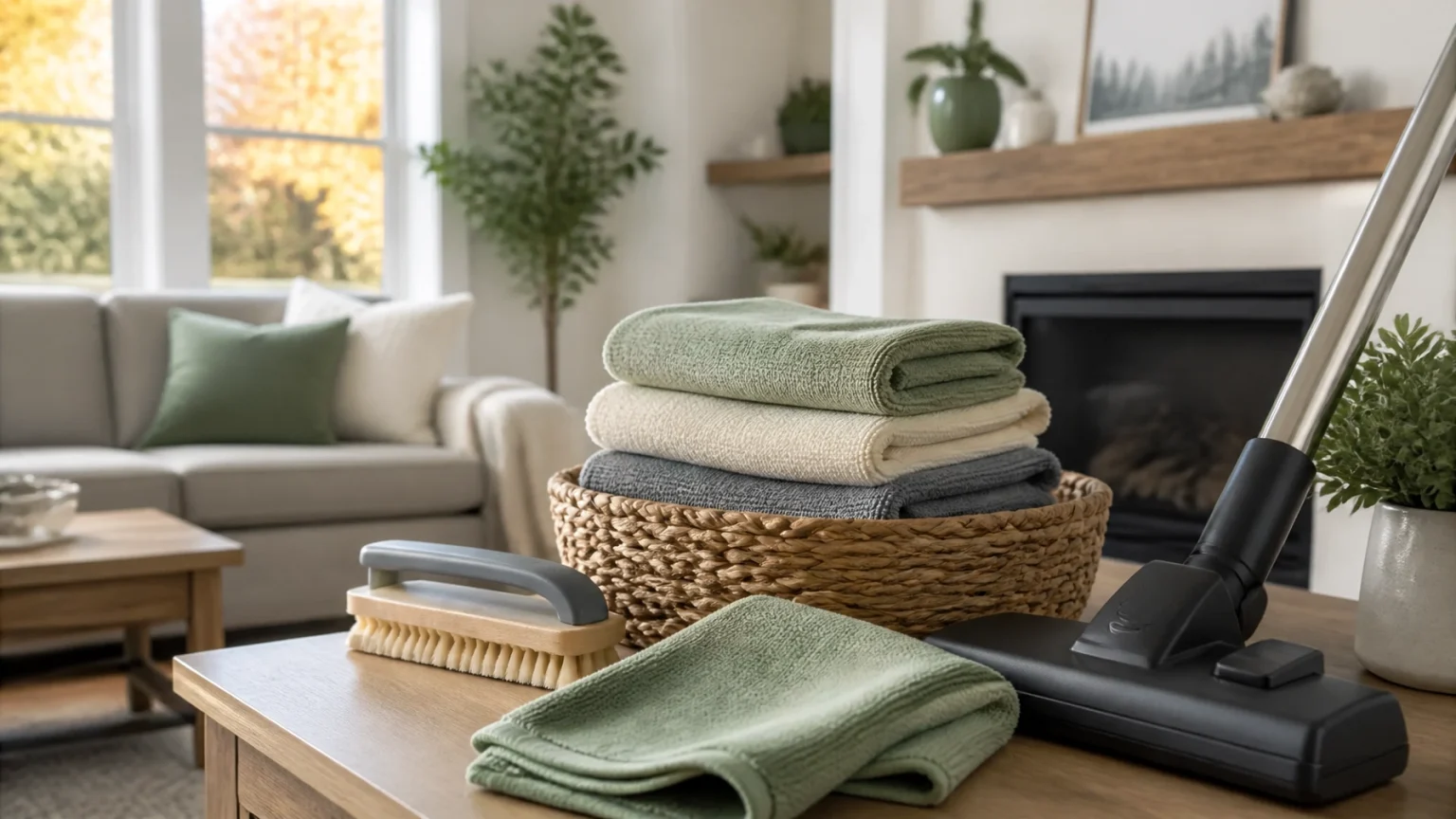
Before you begin, gather microfiber cloths, a vacuum with crevice and brush attachments, a small scrub brush, a bucket, mild detergent, gloves, and a stable step stool if needed.
Work from high to low so falling dust does not settle on surfaces you have already cleaned. Always read appliance and product instructions, test cleaners on hidden areas, and never mix bleach with ammonia or acidic products.
The American Cleaning Institute’s fall cleaning guidance also recommends treating seasonal cleaning as a planned routine rather than an overwhelming one-day project.
1. HVAC Filters And Return Vents
Once the weather cools, your heating system may run more often. A dirty filter can restrict airflow, reduce efficiency, and allow more dust to circulate indoors.
Turn off the system before removing the filter. Check its size and rating, then replace it according to the manufacturer’s instructions. Many homes need a filter change approximately every three months, although households with pets, allergies, or renovations may need more frequent changes.
Vacuum the surrounding return vent and wipe the grille with a damp microfiber cloth. Avoid opening internal furnace components unless you are trained to do so.
For deeper ventilation work, explore Jobsido’s duct cleaning services.
2. Dryer Vent And Lint Housing
The lint trap is only one part of your dryer’s cleaning routine. Lint can accumulate inside the trap housing, behind the appliance, in the flexible vent hose, and around the exterior vent hood.
Unplug the dryer before moving or disconnecting anything. Vacuum the lint trap housing and accessible sections of the hose with a suitable attachment. Check the outside vent flap for restricted airflow and visible buildup.
A clogged dryer vent can reduce drying performance and create a serious fire risk. If the vent is long, difficult to access, or heavily blocked, arrange a professional cleaning rather than forcing the appliance into an unsafe position.
3. Gutters And Downspouts
Autumn leaves can quickly turn clear gutters into a drainage problem. Water that cannot flow properly may overflow near siding, windows, foundations, or basement walls. In colder climates, blocked gutters can also contribute to damaging ice buildup.
Use a stable ladder, keep three points of contact, and never lean beyond the ladder’s sides. Remove leaves and sludge by hand while wearing gloves, then flush downspouts with water to confirm they drain freely.
If your roofline is high or difficult to access, book a professional through Jobsido’s home maintenance marketplace. Safety is more important than completing this task yourself.
4. Refrigerator Coils And Ventilation Areas
Dusty refrigerator coils make the appliance work harder to stay cool. Fall is an excellent time to clean them before holiday cooking and increased food storage place additional demands on the refrigerator.
Unplug the appliance if the manufacturer recommends it, then carefully pull it forward if it is not built in. Remove the lower grille and vacuum the coils, vents, and surrounding floor using a brush attachment. Wipe accessible surfaces with a slightly damp cloth and allow everything to dry before reconnecting the refrigerator.
Move the appliance only as far as its water, ice, or electrical connections safely allow.
5. Ceiling Fans And Light Fixtures
Ceiling fan blades often collect a thick layer of dust on their upper surfaces, even when the room appears clean. When the fan runs, that dust can circulate throughout the space.
Turn the fan off completely before cleaning. Use a microfiber cloth or a pillowcase to capture dust from the top and edges of each blade. Then dust light fixtures, ceiling corners, and the tops of nearby cabinets.
A telescoping duster is preferable to overreaching on a ladder. Do not spray cleaner directly into a light fitting, motor, or electrical component.

6. Baseboards, Trim, And Door Frames
Baseboards are magnets for pet hair, dust, and everyday grime. They are also easy to overlook during a routine vacuum and mop.
Start by vacuuming along the top edge and corners of each baseboard. Follow with a damp microfiber cloth and a mild cleaner suitable for the finish. Pay close attention to door frames, stair trim, and the areas behind furniture.
For a more efficient method, wrap a microfiber cloth around a flat mop or broom and secure it before wiping longer sections. Finish by drying painted or wooden surfaces to prevent moisture marks.
7. Range Hood And Extractor Filters
Grease and cooking residue build up inside range hood filters, reducing ventilation and allowing odors to linger. This is especially important before the busy cooking season begins.
Remove the metal filter and check the appliance manual. If it is dishwasher-safe, place it in the recommended rack. Otherwise, soak it in hot water with a suitable degreasing dish soap, gently scrub away residue, rinse, and let it dry fully before reinstalling it.
Never operate the hood without its filter in place, and do not use flammable products near a heat source.
8. Bathroom Exhaust Fans
A bathroom exhaust fan helps remove moisture, but its cover and housing can become clogged with dust. Reduced airflow may leave condensation in the room for longer and contribute to moisture problems.
Turn off the fan before removing the cover. If you are opening the housing, switch off the relevant breaker for additional protection. Vacuum dust from the cover and accessible fan housing, then wipe the cover with a damp cloth.
Make sure the cover is completely dry before reinstalling it. If the fan is noisy, damaged, or not moving air effectively, arrange an inspection instead of attempting an electrical repair.
9. Air Vents And Ventilation Grilles
Supply vents and return grilles collect dust, hair, and small particles throughout the year. Cleaning them can make rooms feel fresher and helps maintain a more polished appearance.
Remove vent covers where possible and vacuum both sides. Use a narrow brush or microfiber cloth to clean the slats and surrounding wall or floor. Inspect the main return filter at the same time and replace it if it looks visibly dirty.
Keep cleaning products away from duct openings and avoid pushing debris deeper into the system.
10. Behind And Beneath Major Appliances
The space beneath a stove, refrigerator, washing machine, or dishwasher can hide crumbs, lint, pet hair, and small spills. These areas may attract pests and create unpleasant odors.
Pull appliances forward only when it is safe to do so. Watch carefully for water hoses, gas lines, and electrical cables. Vacuum first, then sweep and mop the exposed floor. Allow it to dry before returning the appliance to its original position.
If an appliance is built in or connected to a gas line, contact a qualified technician rather than disconnecting it yourself. Jobsido can help you find appliance repair and home maintenance professionals.
11. Window Sills And Tracks
Window glass may look spotless while the tracks hold dust, dead insects, and compacted grime. Clean tracks can also help windows open and close more smoothly.
Use a vacuum crevice tool to remove loose debris first. Then work into corners with a small brush and wipe the track with a damp cloth. Dry the area thoroughly, particularly around wooden frames, to limit moisture buildup.
For exterior windows, upper-storey glass, or a full seasonal refresh, consider professional window cleaning through Jobsido.

12. High Corners, Cobwebs, And Cabinet Tops
High corners, crown moulding, light fittings, and cabinet tops are easy to miss because they sit outside your normal eye line. Over time, they collect cobwebs and a fine layer of dust.
Use an extension duster and work carefully from the ceiling downward. Vacuum around cabinet tops and wipe only surfaces that can safely handle moisture. For textured ceilings, delicate fixtures, or areas requiring a tall ladder, use a professional service.
A thorough final pass over these elevated areas can make the entire home feel cleaner without adding much time to your routine.
When To Bring In A Professional
Some tasks are straightforward, while others involve genuine safety risks or specialized equipment. Contact a qualified expert when you need:
- High or difficult-to-reach gutter cleaning
- Dryer vent cleaning beyond accessible sections
- Furnace, HVAC, or ductwork servicing
- Cleaning around gas appliances or connected lines
- Electrical work involving fans, fixtures, or ventilation systems
- Exterior window cleaning on upper floors
- Heavy-duty carpet, upholstery, or post-renovation cleaning
Through Jobsido’s cleaning and housekeeping services, you can browse available professionals, compare service details, review ratings, and request a time that fits your schedule. You can also explore carpet and upholstery cleaning for soft surfaces that need more than routine vacuuming.
Make Your Fall Reset Smooth And Stress-Free
A successful seasonal deep clean is not about doing everything at once. Search for the forgotten spots, schedule the tasks that require extra skill, and complete the remaining work room by room.
With the right checklist and the right support, preparing your home for fall becomes a manageable, high-value reset. When you need reliable help, Jobsido connects you with handpicked service professionals so you can find the perfect fit with precision and ease.
Browse cleaning services on Jobsido and get your home ready for the season.