
Choosing the right water heater is more than a simple appliance purchase; it is an investment in your home’s efficiency and your family’s daily comfort. As we move through 2026, the technology behind how we heat our water has reached a pinnacle of precision and excellence. Whether you are building a new thriving household or looking to upgrade your current system, the debate between tankless and traditional water heaters is more relevant than ever.
At Jobsido, we understand that navigating home maintenance can be a challenge. Our platform connects you with handpicked and verified experts who bring excellence to every installation. In this guide, we will break down the "perfect fit" for your specific needs, helping you choose between the reliability of the traditional tank and the modern efficiency of tankless technology.
The Traditional Storage Tank: A Proven Classic
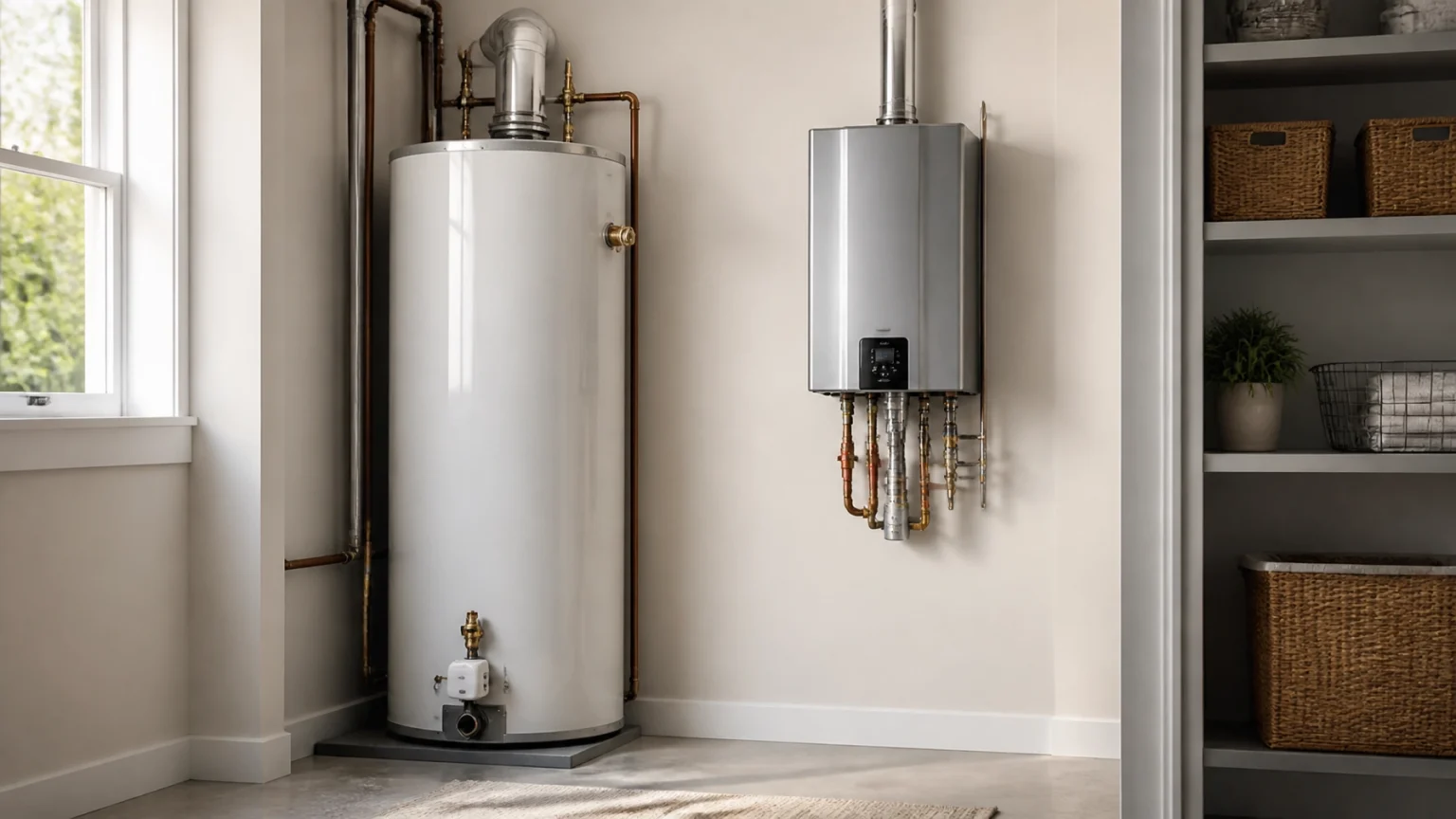
For decades, the traditional storage tank has been the backbone of the residential hot water supply. These units maintain a reservoir of water: typically between 30 and 80 gallons: keeping it heated and ready for use at all times.
The Benefits of Reliability
Traditional heaters are often praised for their simplicity and lower upfront cost. In the current market, a standard high-quality tank unit, including professional installation, typically ranges from $1,200 to $2,500. Because the technology is straightforward, finding a skilled professional for handyman services or repairs is a breeze.
The Drawbacks to Consider
The primary disadvantage is "standby loss." Because the unit constantly reheats the water in the tank to maintain a set temperature, it consumes energy even when no one is home. Furthermore, once the tank is empty, you must wait for the unit to recover, which can lead to those dreaded cold showers during high-demand mornings.
The Tankless Revolution: Precision and Efficiency
Tankless water heaters, also known as "on-demand" systems, represent a shift toward high-end, tailored home performance. Instead of storing hot water, these units use high-powered burners or electric coils to heat water instantly as it flows through the device.

Unmatched Energy Excellence
The energy profile of a tankless system is exceptional. According to 2026 data, these units are 24–34% more energy-efficient than conventional tanks for homes using moderate amounts of water. For a high-efficiency gas tankless unit, you can expect a Uniform Energy Factor (UEF) as high as 0.97, meaning nearly every cent of your energy bill is going directly into heating your water.
Space-Saving Sophistication
One of the most immediate benefits is the physical footprint. Traditional tanks are bulky and require significant floor space. In contrast, tankless units are compact and wall-mounted, freeing up valuable square footage for storage or other home projects.

Comparing the Costs: Upfront Investment vs. Long-Term Value
When deciding between these two systems, it is essential to look beyond the initial price tag and consider the total cost of ownership.
| Feature | Traditional Tank | Tankless System |
|---|---|---|
| Upfront Cost (Installed) | $1,200 – $2,500 | $3,500 – $6,500 |
| Expected Lifespan | 8 – 15 Years | 20+ Years |
| Annual Energy Savings | Base Cost | $75 – $200 Savings |
| Maintenance | Low (Flushing) | Moderate (Annual Descaling) |
While the initial investment for a tankless system is significantly higher: often 2 to 3 times the cost of a tank: the longevity of the unit often balances the scales. A tankless unit can last over two decades, nearly double the life of a traditional heater, potentially saving you the cost of a second replacement down the road.
Which Is the Perfect Fit for Your Home?
Choosing the right system requires a tailored approach based on your household's unique habits and the infrastructure of your property.
Choose a Tankless Heater If:
- You prioritize efficiency: You want to minimize your carbon footprint and reduce monthly utility bills.
- Space is a premium: You live in a modern condo or a home where floor space is limited.
- Long-term residency: You plan to stay in your home for at least 10 years to see the return on investment.
- Endless hot water: You have a large family that frequently runs out of hot water during back-to-back showers.
Choose a Traditional Tank If:
- Upfront budget is key: You need a reliable solution with the lowest immediate financial impact.
- High simultaneous demand: You frequently run multiple heavy-duty appliances (like the dishwasher and laundry) while multiple people are showering.
- Simpler infrastructure: You want to avoid the potential costs of upgrading gas lines or electrical panels required for a high-power tankless conversion.
Achieving Excellence with Professional Installation
Regardless of which system you select, the quality of the installation is instrumental in the unit's performance and safety. A tankless conversion, in particular, requires precision handling of gas lines and venting systems to ensure the unit operates at peak excellence.
At Jobsido, we make finding the right professional a secured and stress-free process. Our marketplace is designed for homeowners who value high-end service and reliable results.
How to Get Started:
- Search: Browse our directory of verified experts in home construction and maintenance.
- Schedule: Pick a seller and book a consultation based on real-time availability.
- Complete: Have your new water heater installed with precision and ease.
- Review: Share your experience to help others in the Jobsido community find their perfect fit.
The transition to a more efficient home doesn't have to be overwhelming. With the right information and a verified professional by your side, upgrading your water heater becomes a smooth step toward a more comfortable and thriving home.